Materials

Know the metal, price the grade

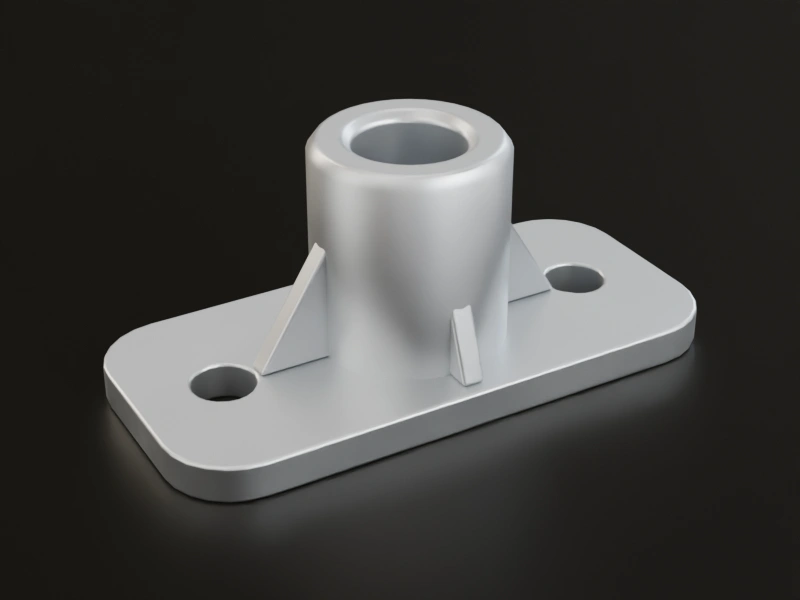
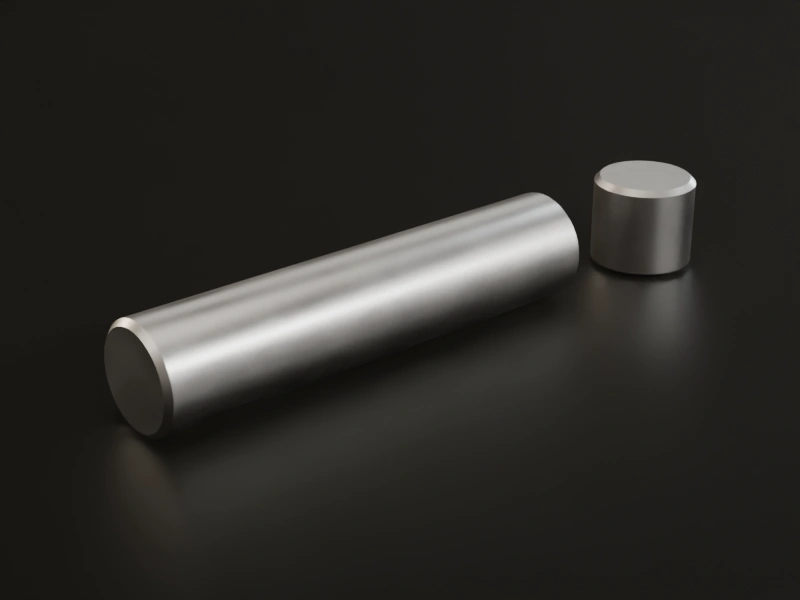
What a yard pays for depends on what the metal is: its alloy, its purity, its form. RecycleCore's catalog holds 49 materials in ten families, and prices each line by its grade, for the seller in front of you.

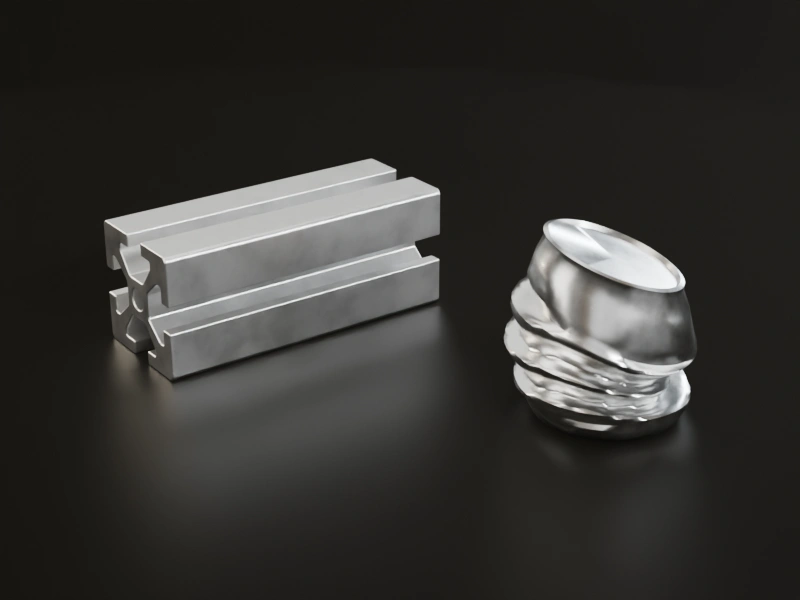
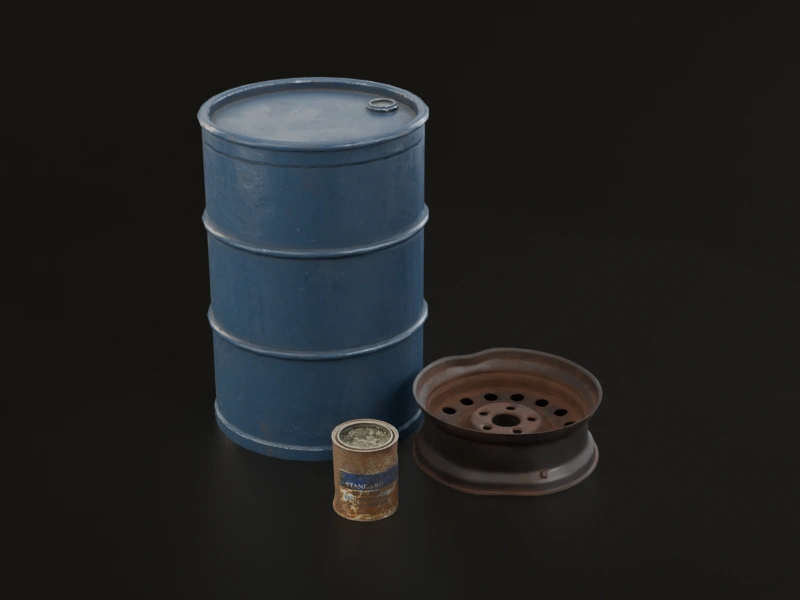
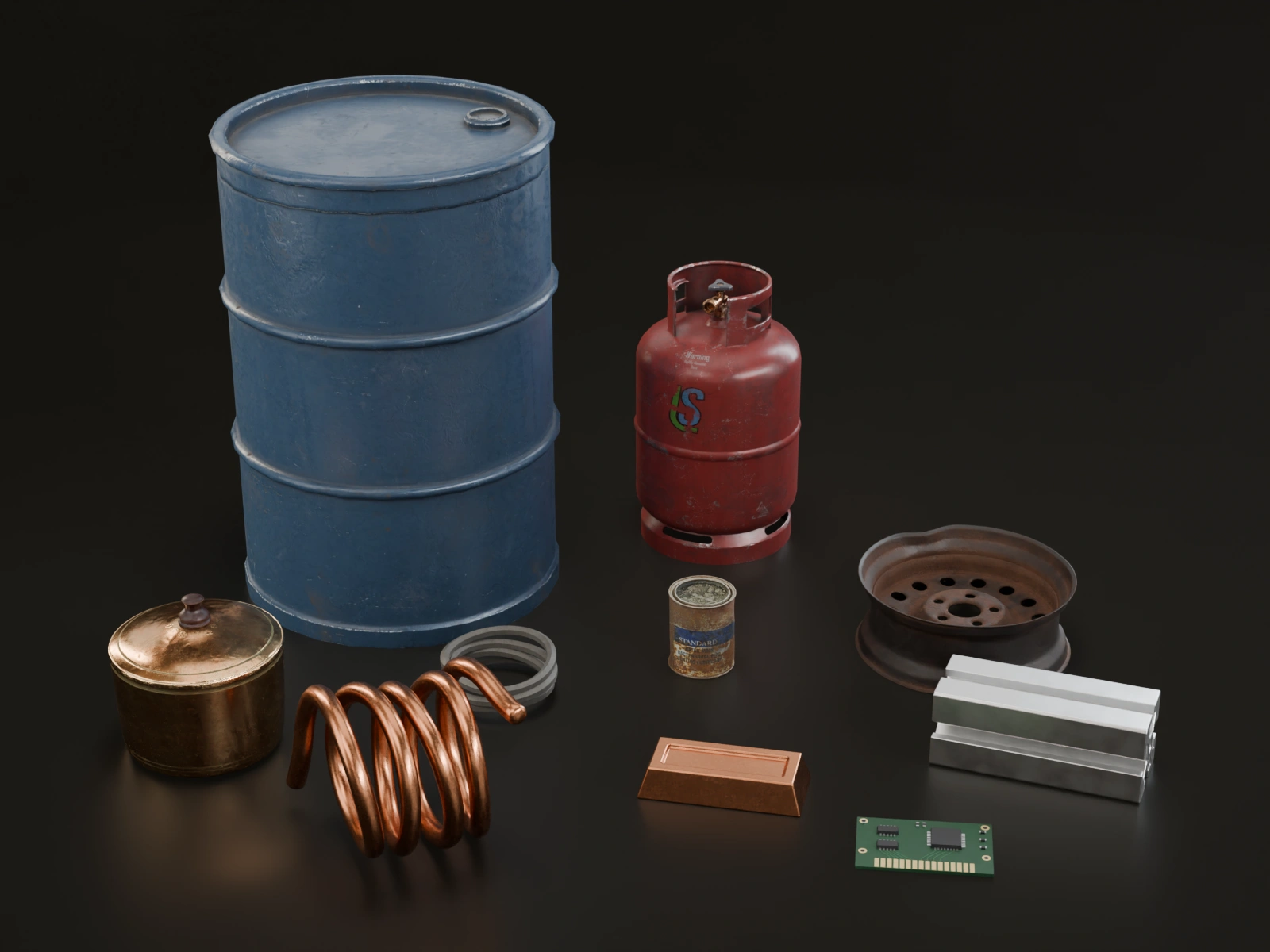
Scrap grades, rendered: a steel drum, a propane tank, a wheel rim, a rusted can, a brass pot, a coil of insulated wire, a copper coil and ingot, an aluminium extrusion and a circuit board.

How a line gets its price

A base price for the material, a multiplier for its grade, the seller's tier and any override the owner approved, resolved on the server. The cashier taps the material and enters the weight; the price is never typed.

  • A catalog that speaks scrap

    Ten families from ferrous to electronics, 49 materials from #1 bare bright copper to high-grade circuit boards, with grades under each.

  • The server is the price

    Base prices, grade multipliers, seller tiers and owner-approved overrides resolve on the server, which quotes every line for the ticket's seller.

  • History and trend

    Every price change is kept, with seven-day trends, and the yard can publish its price list on its own public site.

The families

Plain metallurgy for each family, as yards and buyers use it. Compositions are typical values; an alloy varies within its grade.

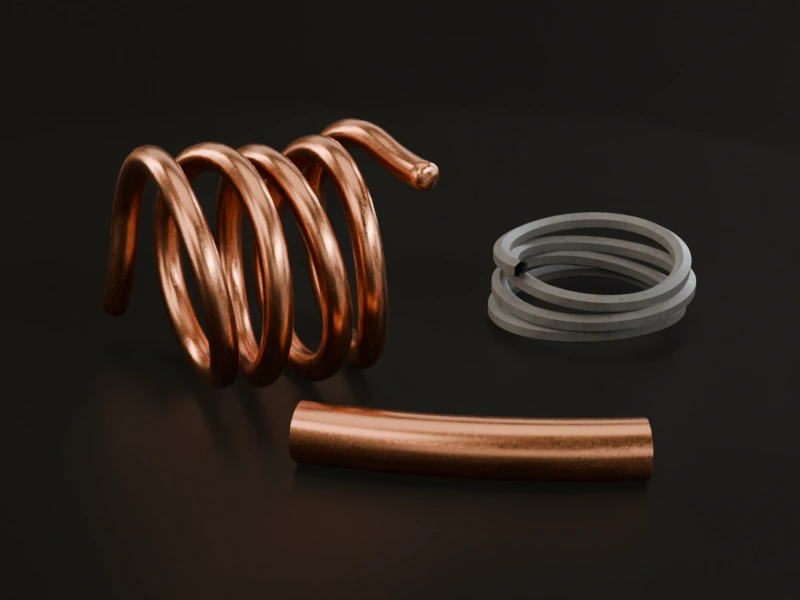
Copper scrap, rendered.Cu

Copper

The metal a yard pays most for, graded by purity and form.

  • #1 copper is clean, unalloyed and uncoated; bare bright is the shiniest #1 wire.
  • #2 copper carries some oxidation, solder or coating and is lower in copper content.
  • Insulated wire is priced on its recovery: how much copper is left once the insulation comes off.

In the catalog (8)

  • #1 Bare Bright Copper
  • #1 Copper Wire
  • #2 Copper Wire
  • Insulated Copper Wire
  • #3 Copper (Light Copper)
  • Copper Tubing
  • Copper Radiators
  • Berry Copper
Brass scrap, rendered.Cu Zn

Brass

Copper and zinc, priced on how much copper the alloy carries.

  • Yellow brass is about two-thirds copper; cartridge brass is about 70 percent copper and 30 percent zinc.
  • Red brass carries more copper (about 85 percent, with tin, lead and zinc), so it is worth more than yellow.
  • Plumbing brass and radiators arrive with attachments that the grade accounts for.

In the catalog (5)

  • Yellow Brass
  • Red Brass
  • Cartridge Brass
  • Plumbing Brass
  • Brass Radiators
Bronze scrap, rendered.Cu Sn

Bronze

Copper alloyed with tin or other metals, often in bearings and bushings.

  • Classic bronze is copper with tin; aluminium bronze is copper with roughly 5 to 11 percent aluminium.
  • Manganese bronze is a high-strength brass with manganese, aluminium and iron added.
  • Each melts to its own chemistry, so they are graded separately rather than as one bronze.

In the catalog (3)

  • Bronze
  • Manganese Bronze
  • Aluminum Bronze
Aluminum scrap, rendered.Al

Aluminum

Light, non-magnetic, and priced by how clean and how separated it is.

  • Wrought alloys (sheet, extrusion) and cast alloys (wheels, housings) melt to different chemistries, so they are kept apart.
  • Beverage cans are one alloy body with a different alloy lid; extrusions are typically the 6000 series.
  • Steel screws, plastic and paint lower the grade; a clean, single-alloy lot earns the top price.

In the catalog (8)

  • Aluminum Sheet
  • Aluminum Cans (UBC)
  • Aluminum Extrusion
  • Aluminum Wheels (Cast)
  • Aluminum Radiators
  • Aluminum Turnings
  • Aluminum Clips
  • Aluminum Dross
Stainless Steel scrap, rendered.Fe Cr Ni

Stainless Steel

Iron with at least about 10.5 percent chromium, and nickel that drives the price.

  • Type 304 is roughly 18 percent chromium and 8 percent nickel; type 316 adds about 2 percent molybdenum for corrosion resistance.
  • Most 300-series stainless is non-magnetic, which is the first check at the counter.
  • Value follows nickel and molybdenum content, so knowing the grade is worth more than knowing it is stainless.

In the catalog (3)

  • Stainless Steel
  • Stainless 304
  • Stainless 316
Ferrous Metals scrap, rendered.Fe

Ferrous Metals

Iron and steel: the magnetic tonnage that fills most of a yard.

  • Graded by thickness, form and cleanliness: heavy melting steel, light iron, cast iron, turnings and shredder feed each melt differently.
  • Attachments, dirt and non-metallics cost the buyer at the mill, so they cost the seller at the scale.
  • Usually traded in large quantities, where a small difference per pound adds up fast.

In the catalog (7)

  • Heavy Steel
  • Light Iron
  • Cast Iron
  • Structural Steel
  • Steel Turnings
  • Tin Plate
  • Auto Body / Shredder Feed
Lead scrap, rendered.Pb

Lead

Heavy, soft and regulated: batteries, wheel weights and soft lead.

  • Battery lead comes from lead-acid batteries and is handled as its own stream.
  • Wheel weights carry steel clips and, increasingly, are not lead at all, so they are checked at the counter.
  • Soft lead is the cleanest form and the best paid.

In the catalog (4)

  • Lead
  • Battery Lead
  • Soft Lead
  • Lead Wheel Weights
Zinc scrap, rendered.Zn

Zinc

Die cast parts and the zinc on galvanised steel.

  • Zinc die cast is mostly zinc with a few percent aluminium.
  • Galvanised steel is steel with a zinc coating, and is priced as such.
  • Iron attachments on die cast parts reduce what the lot is worth.

In the catalog (3)

  • Zinc
  • Zinc Die Cast
  • Galvanized Steel
Specialty Alloys scrap, rendered.Ni Ti Mg

Specialty Alloys

Nickel, titanium, magnesium and superalloys, where the grade is everything.

  • Nickel superalloys such as Inconel are nickel-chromium based and valued on their alloy content.
  • Titanium and magnesium are light; magnesium chips and turnings are a fire risk and handled with care.
  • These are sold by identification: a wrong call on alloy is a large difference in price.

In the catalog (4)

  • Nickel
  • Titanium
  • Magnesium
  • Inconel
Electronics / E-Waste scrap, rendered.PCB

Electronics / E-Waste

Boards, power supplies and telecom wire, valued for what they recover.

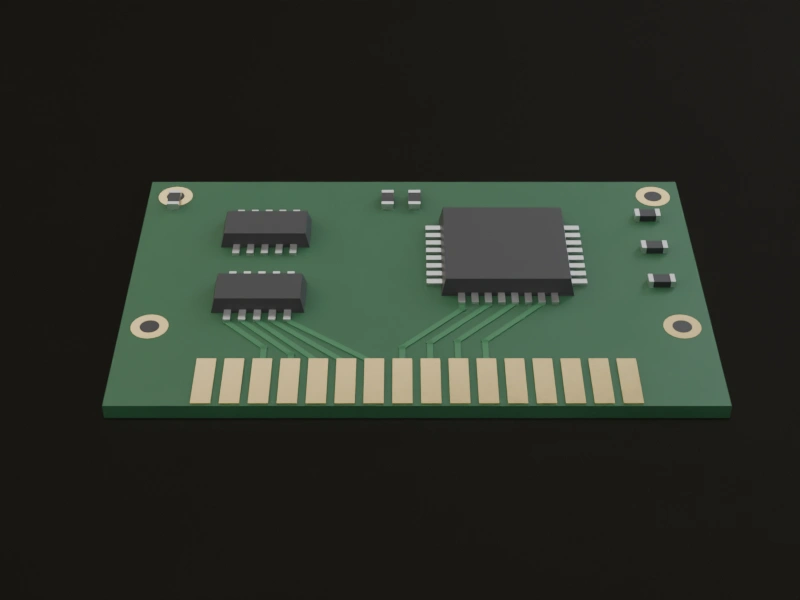
  • Circuit boards are graded by their precious-metal content: high grade carries more gold-plated contacts and chips.
  • Power supplies combine steel, aluminium, copper and boards in one piece.
  • Telecom wire is priced on its copper recovery, like other insulated wire.

In the catalog (4)

  • Circuit Boards (High-grade)
  • Circuit Boards (Low-grade)
  • Power Supplies
  • Telecom Wire